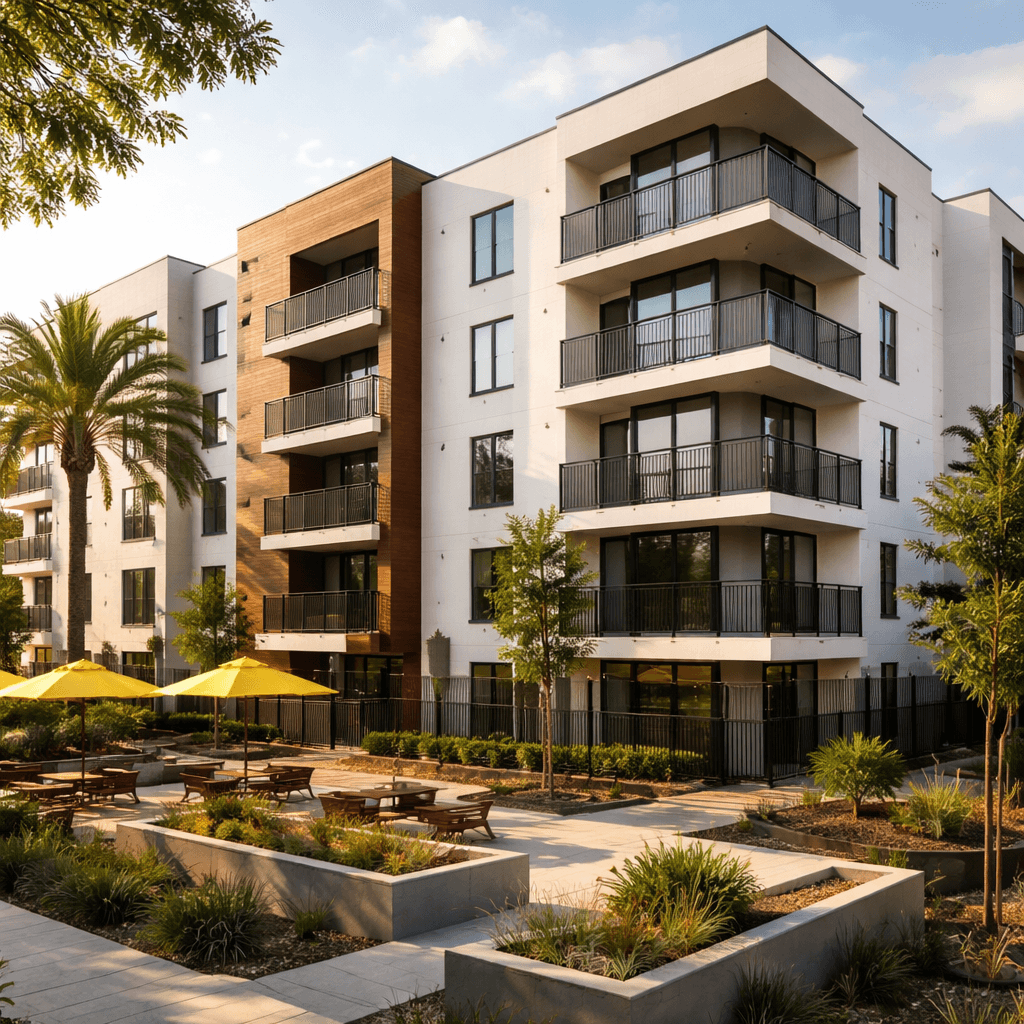
California Governor Gavin Newsom announced the opening of over 180 affordable homes in the Los Angeles area and a financing milestone for 85 new units in San Francisco on May 1, 2026. The projects are funded through the state's Cap-and-Invest program, which requires major polluters to buy allowances for greenhouse gases they emit and directs that money toward climate and community investments. Both developments place low-income families near public transit and jobs while aiming to reduce car dependence and emissions.
The Santa Monica and Vermont Apartments in East Hollywood are opening 187 affordable apartments for low-income families, with half dedicated to formerly unhoused people. The state contributed more than $50 million to the project, which is located in an area with relatively low median household incomes. The complex includes on-site wraparound social services to help formerly unhoused residents rebuild their lives. The development also brought transit improvements to the area, adding key route connections and new and improved local and express bus stops and shelters. In San Francisco, partners secured the final financing needed to complete 85 new affordable units in 2027, with a quarter designated for formerly unhoused individuals and families. The units will be part of the all-electric 160 Freelon Apartments in the SoMa District, funded in part by more than $41 million from the state's Affordable Housing and Sustainable Communities Program. That project includes transportation improvements such as bike lanes, bus stops, and transit signals.
"By investing in affordable housing and connected communities, we're reducing pollution, expanding opportunity, and helping more Californians have a place to call home," Governor Newsom said. California Department of Housing & Community Development Director Gustavo Velasquez said the projects are "delivering housing opportunities and services combined with sustainable transportation improvements that move us closer to addressing our housing crisis and achieving critical climate goals." Sam Assefa, Director of the Governor's Office of Land Use and Climate Innovation and Chair of the California Strategic Growth Council, called the San Francisco development "a much-needed central community hub" that embodies projects designed to uplift thriving communities across California.
The strategy behind these developments allows residents to use public transportation and walk to shops and services, providing them independence and access while saving money on vehicles and gas. The California Climate Investments program puts billions of dollars to work reducing greenhouse gas emissions, strengthening the economy, and improving public health and the environment, with a strong focus on communities most impacted by pollution and limited access to resources. According to the announcement, the funding directly supports meeting housing needs throughout the state while building climate resilience. By locating affordable housing near transit and services, California aims to reduce the number of car trips residents need to make, cutting emissions while making daily life more affordable for families who might otherwise struggle with transportation costs.
The announcement comes as California has achieved a 9% reduction in unsheltered homelessness, a first in more than 15 years, following years of state investment in shelter, support services, and new housing construction. The press release describes a multi-pronged approach including expanded shelter and support, addressing mental health impacts on homelessness, creating new pathways for those who need the most help, streamlining housing construction, and removing dangerous encampments. The state estimates that funding from 2024's Proposition 1 will create 6,800 residential treatment beds and 26,700 outpatient treatment slots for behavioral health care. With hundreds of new affordable units opening or under development and climate funding flowing to communities hit hardest by pollution, California is betting that combining housing, transit, and services in walkable neighborhoods can tackle homelessness and climate change at the same time.