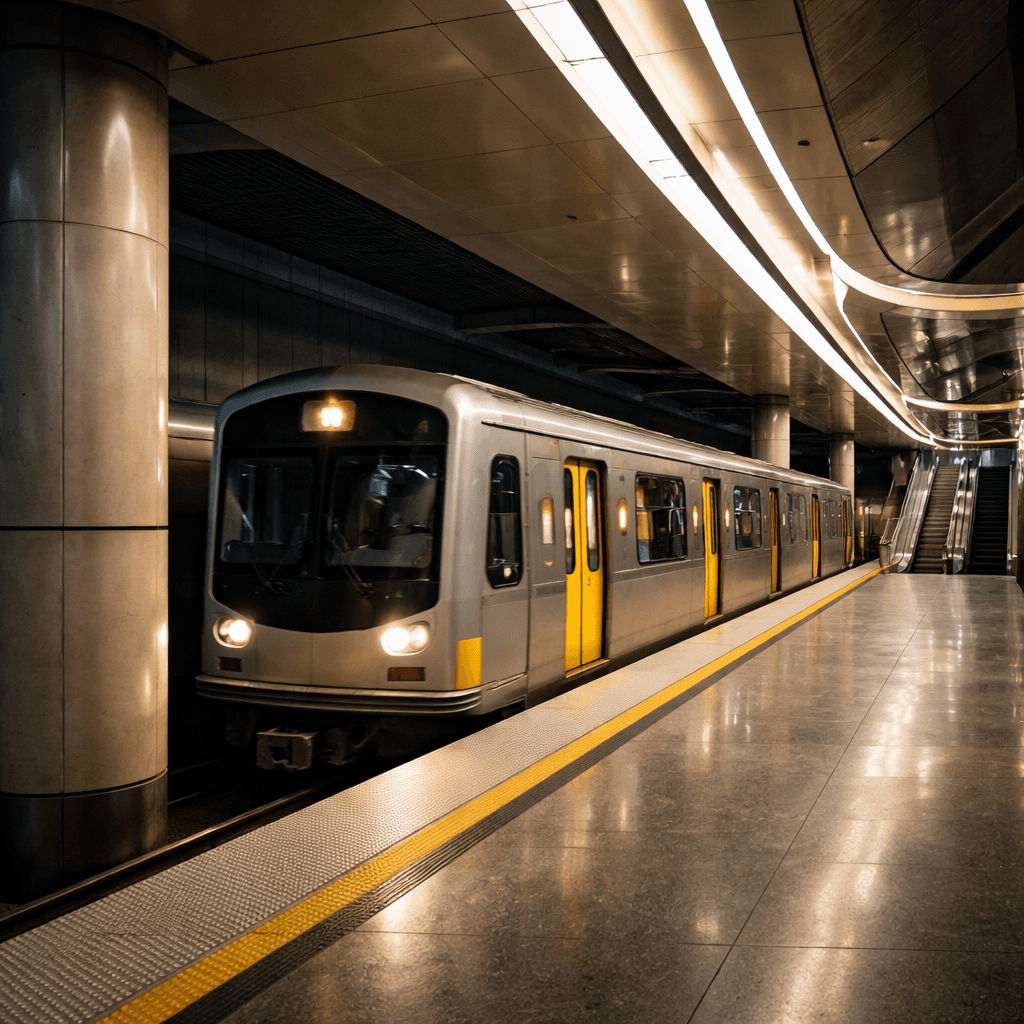
The first section of the Los Angeles D Line Subway Extension has officially opened for service, delivering 3.9 miles of new underground rail and three new stations beneath one of the city's busiest corridors. According to a May 21, 2026 report from Construction Owners, Parsons Corporation served as lead designer and managed final design work for the Los Angeles County Metropolitan Transportation Authority. The project represents a significant step forward for urban transit infrastructure in a region where congestion and air quality have long challenged planners and residents alike.
The newly opened segment connects Wilshire/Western to Beverly Hills, forming a critical link in what will ultimately become a nine-mile subway expansion beneath Wilshire Boulevard. The report notes that Section 1 delivers three underground stations at La Brea, Fairfax, and La Cienega. The infrastructure required extensive coordination across dense urban environments, including utility relocation, subsurface excavation, and station box construction beneath active roadways. When the full D Line extension is complete, the expansion will improve east-west connectivity across Los Angeles while linking major employment, residential, and cultural districts.
According to the report, the project highlights the complexity of building subway infrastructure in already-developed urban areas. Work beneath Wilshire Boulevard required careful sequencing to manage traffic impacts, protect adjacent structures, and integrate station access points into existing streetscapes. The publication explains that underground rail expansion projects of this type typically involve long lead times, high capital investment, and multi-agency coordination across city, county, and transportation stakeholders. Broader industry patterns show that transit agencies are accelerating investment in rail systems as part of broader strategies to reduce congestion and emissions, with subway and light rail projects increasingly viewed as long-term infrastructure solutions to growing urban mobility pressures.
For construction owners and contractors, the D Line opening signals several important trends that are reshaping the infrastructure landscape. The Construction Owners report identifies continued growth in underground rail and tunneling project pipelines and high demand for specialized civil and transit construction expertise as two key takeaways. The project structure itself reflects another pattern: increased collaboration between public agencies and private engineering firms and long-duration, multi-phase project structures requiring sustained delivery capacity. This aligns with broader market conditions, as the U.S. tunneling market remains strong, supported by demand for tunnels serving upgraded infrastructure and improved transportation networks driven by aging infrastructure and population growth, according to Tunneling Online's 2026 industry outlook. For contractors positioned in heavy civil and rail work, the report concludes, there are expanding opportunities in station construction, systems integration, and urban excavation as contractors positioned in heavy civil and rail infrastructure are likely to benefit from ongoing investment in urban mobility projects across major U.S. cities.