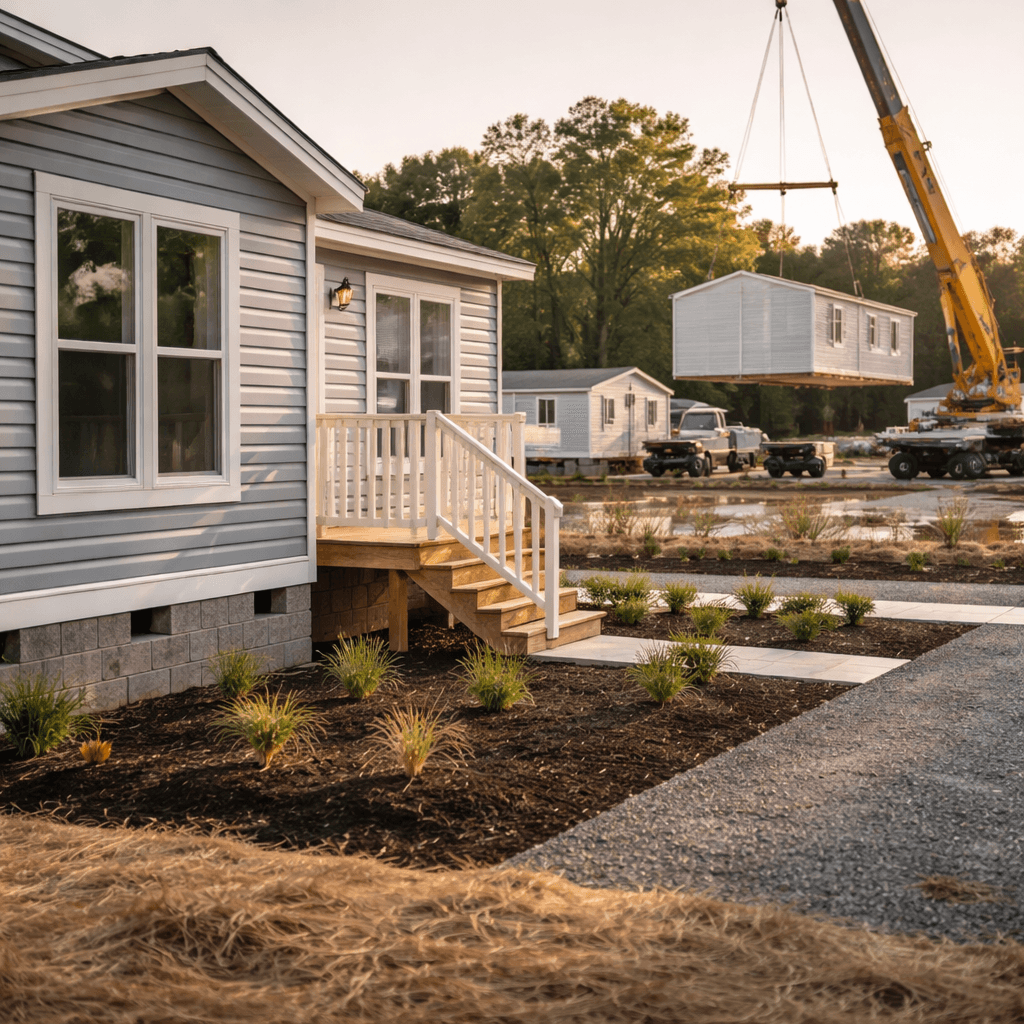
The share of homes priced under $200,000 plummeted from 39 percent of active listings in 2016 to just 13 percent in 2025, according to a new analysis published June 17, 2026, by the Urban Institute. Authors Laurie Goodman and Aniket Mehrotra argue that factory-built construction—homes manufactured off-site in facilities—could fill the gap left by disappearing starter homes, but only if policymakers remove regulatory barriers that have kept the industry at historic lows.
The cost advantage of factory-built homes is dramatic. Manufactured homes cost about $84.45 per square foot compared to $168.86 for site-built homes—roughly half the price—while modular homes cost 10 to 20 percent less than traditional construction and can be completed more quickly. Yet factory-built construction has collapsed from 27 percent of single-family homes before 2000 to just 10 percent in 2025, totaling only about 103,000 units. Manufactured housing shipments tell a similar story: an average of 240,000 units shipped annually between 1977 and 1994, but that number has fallen sharply since. Modular construction dropped from 6 percent of single-family construction in 2000 to about 3 percent in 2025. Despite the decline, younger buyers are increasingly turning to manufactured homes—41 percent of manufactured housing mortgage borrowers in 2025 were younger than 35, up from 37 percent in 2021.
The report identifies several culprits behind the starter home shortage and factory-built construction's decline. "Rising costs of construction and financing" combined with zoning policies like minimum lot size requirements have made building smaller, less expensive homes unprofitable, the authors write. Recent federal policy changes, including tariffs on homebuilding materials and immigrant deportation policies driving construction labor shortages, have made things worse. The report also points to the 1990s, when lax credit standards for manufactured housing led to a spike in loan defaults, causing lenders to retreat and credit standards to tighten. Many localities have since restricted manufactured home placement through zoning codes over the past two decades, further constraining supply.
The decline stems from a tangle of regulatory barriers that make factory-built homes harder to finance and build. Federal law currently requires manufactured homes to sit on a moveable chassis, an outdated rule that adds about 9 percent to construction costs and limits design flexibility, according to the analysis. Modular manufacturers face a different problem: they struggle to ship units out-of-state because certifying construction for manufacturers based elsewhere requires costly on-site inspections. On the financing side, Fannie Mae and Freddie Mac don't purchase the personal property loans that make up 40 to 50 percent of manufactured home purchases. The Federal Housing Administration's Title I program, which insures manufactured housing loans, is underused because of cumbersome underwriting and the lack of a securitization pathway. Modular development faces yet another hurdle—funds aren't released until construction is completed and inspected, but modular suppliers want payment when materials ship.
Congress's 21st Century ROAD to Housing Act includes provisions to expand factory-built construction, such as eliminating the chassis requirement and increasing Title I loan limits. But the report says more is needed. The FHA could allow automated underwriting for Title I loans, similar to its standard mortgage program. Ginnie Mae could permit Title I loans in its mortgage pools, as long as they're a small share of the total. More flexible financing arrangements that release funds when modular materials ship—rather than after inspection—could unlock modular construction. The bottom line, according to the authors: factory-built construction is the key to more starter homes, but it'll take coordinated action from leaders at all government levels to make it happen.