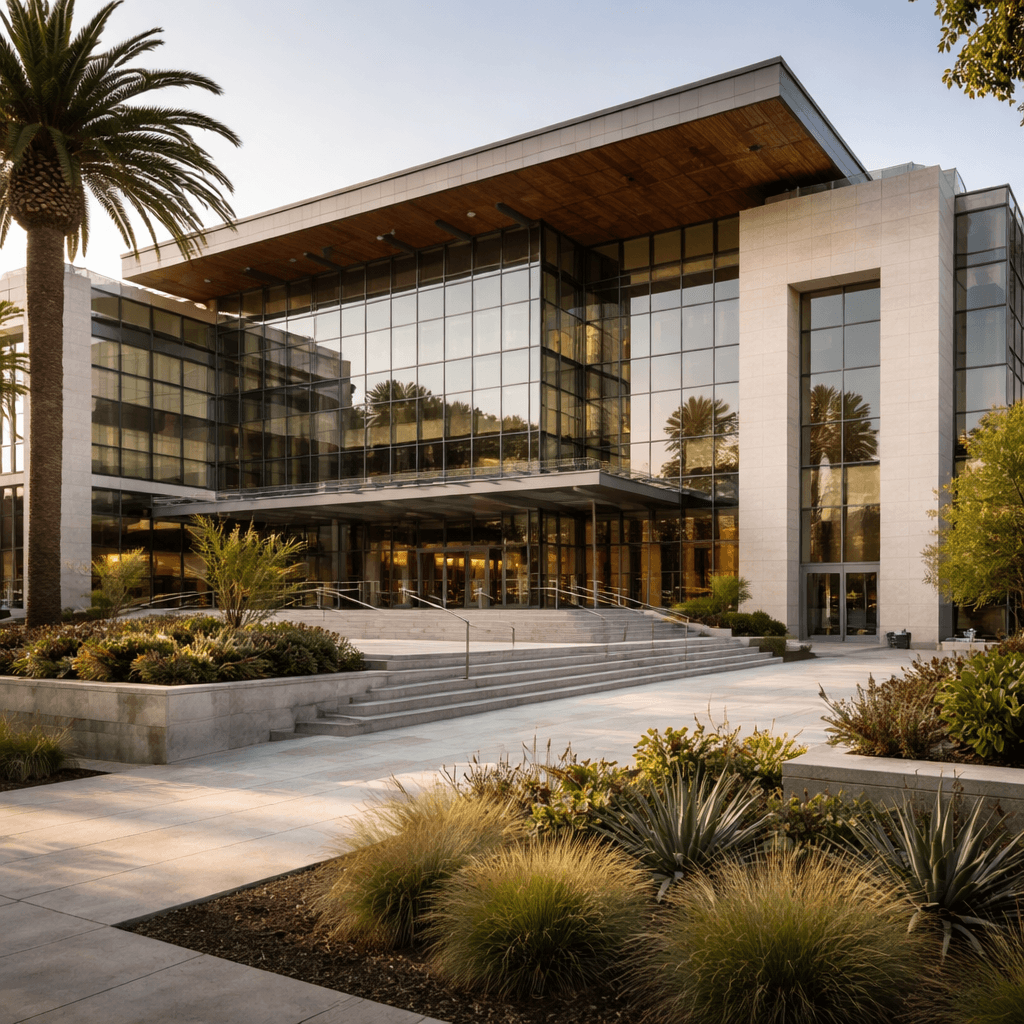
A major renovation of California's Department of General Services Resources Building has earned a 2026 Innovation Award from the Design-Build Institute of America Western Pacific Region. The recognition honors the project team's creative approaches to managing construction complexity while modernizing an aging public facility. The award highlights projects that demonstrate innovation in delivery, technical solutions, and collaboration among stakeholders.
The renovation involved extensive modernization work aimed at enhancing long-term functionality and operational performance for thousands of building occupants. Project teams incorporated advanced mechanical system solutions and performed early destructive investigations to understand existing building conditions before major construction began. By identifying hidden challenges early in the process, the team was able to navigate unforeseen conditions more effectively through the design-build delivery model.
According to the report, the award "underscores the growing importance of integrated delivery strategies that bring designers, engineers, and builders together earlier in project planning." The report notes that early collaboration can improve constructability, reduce costly change orders, and help maintain project schedules on complex renovation programs. The recognition also reflects broader market trends where public agencies are prioritizing high-performance buildings, energy efficiency improvements, and long-term operational value.
The report explains that modernization projects often require innovative engineering solutions to meet evolving performance expectations while preserving existing structures. For public agencies investing in aging facilities, the early investigative work proved particularly valuable. By bringing design and construction teams together at the project's start, the team could identify risks before they became expensive problems. The report states that such approaches are "becoming increasingly valuable as owners seek to reduce project risks associated with aging public facilities". This proactive strategy allowed the project to support its objectives while managing the inherent complexity of working within an occupied government building.
The report concludes that owners planning modernization projects may benefit from early collaboration between design and construction teams to identify risks, improve building performance, and maximize the long-term value of capital investments. As public-sector construction continues prioritizing integrated delivery methods, the award-winning renovation demonstrates how proactive investigation and teamwork can improve outcomes on complex building upgrades.