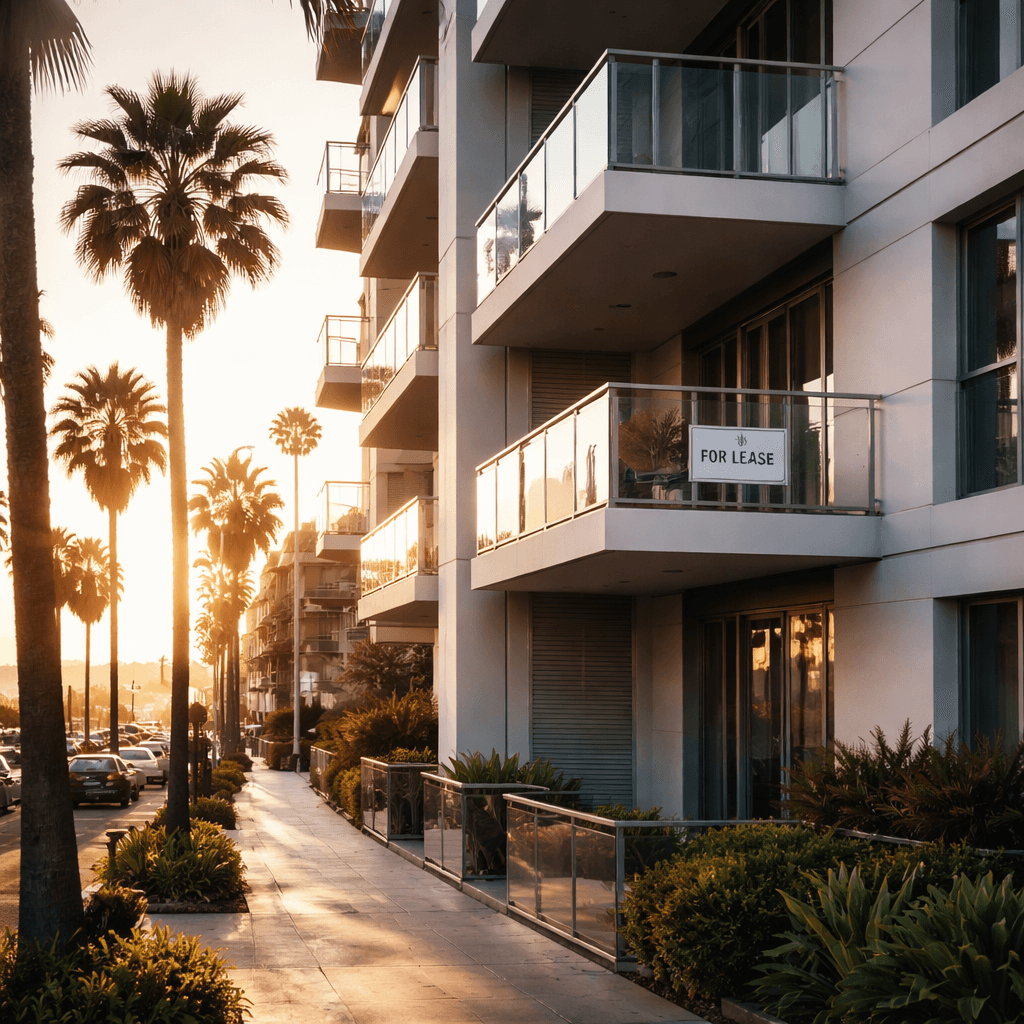
Rental prices in Santa Monica dropped 7.5% over the past year, with a sharp 2.3% decline in March alone, marking the steepest annual rent decline in the Los Angeles area. The coastal city's rental market is cooling much faster than the nation as a whole, where housing costs have remained relatively stable. Landlords who got used to charging premium prices during the pandemic boom are now watching tenants pack up and move to cheaper neighborhoods or cities entirely.
This local nosedive stands in stark contrast to the national housing picture. According to the Federal Housing Finance Agency's latest House Price Index, U.S. house prices rose 1.8% between the fourth quarter of 2024 and 2025, with a 0.8% increase just in the fourth quarter. While Santa Monica rents are crashing down, home purchase prices nationwide are still climbing—though at a much slower pace than the double-digit gains of recent years. What's driving the split? Rental markets respond faster to economic shifts because leases turn over quickly, while home sales take longer to reflect changing conditions.
When a city gets too expensive, renters can bail out when their lease ends, creating immediate downward pressure on rents. Homeowners, by contrast, tend to hold on and wait for better prices, which keeps the sales market from dropping as fast. Santa Monica's situation is even more extreme because it's one of the priciest rental markets in California. When inflation squeezes budgets and remote work opens up cheaper options, expensive coastal cities get hit first and hardest. People who might've grudgingly paid $3,500 for a one-bedroom near the beach are now asking themselves if they really need to be there—and many are deciding they don't.
The big question now is whether this is a Santa Monica problem or a preview of what's coming to other high-cost cities. If the rental slide continues, property owners could start cutting asking prices on homes they're trying to sell, eventually dragging down the purchase market too. For renters, this is the first real breathing room in years—but for landlords and real estate investors who bought at peak prices, the math is getting uncomfortable fast.